How To Minimize Pores
A practical step-by-step guide to how to minimize pores, including preparation, instructions, common issues, tips, and next steps.

How To Minimize Pores
Pore size is mostly determined by genetics, and you can't permanently shrink them. However, you can make them look much smaller and less noticeable. This guide provides a clear, step-by-step routine to deep-clean pores, remove blockages, and improve skin texture. Following these steps consistently can help you achieve a smoother, more refined complexion by keeping pores clear of the oil, dead skin, and debris that make them appear larger.
Fast Answer
- Core Method: Cleanse, Exfoliate, Protect
- Why It Works: A consistent routine removes debris that stretches pores and protects the skin's structure.
- Key Ingredients: Salicylic Acid, Retinoids, Niacinamide
- Biggest Mistake: Using harsh scrubs or skipping sunscreen, which damages skin and worsens pore appearance.
Before You Start
Achieving the look of smaller pores is about establishing a consistent routine with the right types of products. You don't need dozens of items, just a few effective ones used correctly. Gather these essentials before you begin.
What You Need
- Gentle, water-soluble cleanser: To clean your skin without stripping its natural moisture barrier.
- Chemical exfoliant: A product containing salicylic acid (BHA) or an alpha-hydroxy acid (AHA) like glycolic acid.
- Clay or charcoal mask: For weekly deep cleaning to absorb excess oil.
- Lightweight, non-comedogenic moisturiser: To hydrate skin without clogging pores. "Non-comedogenic" means it's formulated not to cause blocked pores.
- Broad-spectrum sunscreen (SPF 30 or higher): A non-negotiable step to protect skin from damage that enlarges pores over time.
- Optional - Retinoid product: An over-the-counter retinol or a stronger prescription retinoid can significantly improve skin texture.
Safety, Timing, and Context Checks
Introducing new, active skincare ingredients can sometimes cause irritation. It's vital to start slowly and pay attention to how your skin responds.
- Introduce one new product at a time. Wait at least a week before adding another new item to your routine. This helps you identify which product might be causing irritation, if any occurs.
- Consistency is more important than intensity. A gentle daily routine is far more effective and safer than aggressive, infrequent treatments.
- Understand your skin type. Oily skin may tolerate stronger ingredients more frequently, while dry or sensitive skin requires a gentler approach.
Step-by-Step Instructions
Follow this routine consistently to clean out pores and refine your skin's texture, making pores less visible. Remember, patience is key—it can take several weeks to see noticeable results.
Step 1: Cleanse Thoroughly Twice a Day
The first and most crucial step is to remove the dirt, oil, makeup, and pollution that accumulate on your face. When this debris settles into your pores, it stretches them out, making them look bigger. Use a gentle, pH-balanced cleanser and lukewarm water. Hot water can strip the skin of its natural oils, leading to irritation, while very cold water is less effective at removing oil.
In the evening, consider double cleansing, especially if you wear makeup or sunscreen. Start with an oil-based cleanser to dissolve makeup and SPF, then follow with your regular water-based cleanser to wash everything away.
Step 2: Exfoliate with a BHA or AHA
Exfoliation removes the top layer of dead skin cells that can otherwise fall into pores and create clogs. For minimizing pores, chemical exfoliants are generally more effective and gentler than harsh physical scrubs.
- For oily or combination skin: Use a product with salicylic acid (a BHA). BHAs are oil-soluble, which means they can get deep inside the pore lining to dissolve the mixture of sebum and dead skin that causes blockages.
- For normal or dry skin: Use a product with an alpha-hydroxy acid (AHA) like glycolic or lactic acid. AHAs work on the surface of the skin to smooth texture and promote cell turnover.
Start by exfoliating just 1-2 times per week in the evening after cleansing. You can gradually increase to 3-4 times a week if your skin tolerates it well. Applying more often can lead to redness and irritation.
Step 3: Use a Clay Mask Once a Week
Clay masks are excellent for a weekly deep clean. Ingredients like bentonite and kaolin clay work by absorbing excess oil and pulling impurities from your pores. When the mask dries, it temporarily tightens the skin, giving pores an instantly smaller appearance. While the effect is temporary, regular use helps keep pores clear long-term.
Apply a thin layer to clean, dry skin, focusing on areas where pores are most visible, like the T-zone (forehead, nose, and chin). Leave it on for 10-15 minutes, or until it's just dry—don't let it get to the stage where it's cracking and flaking, as this can dehydrate your skin.
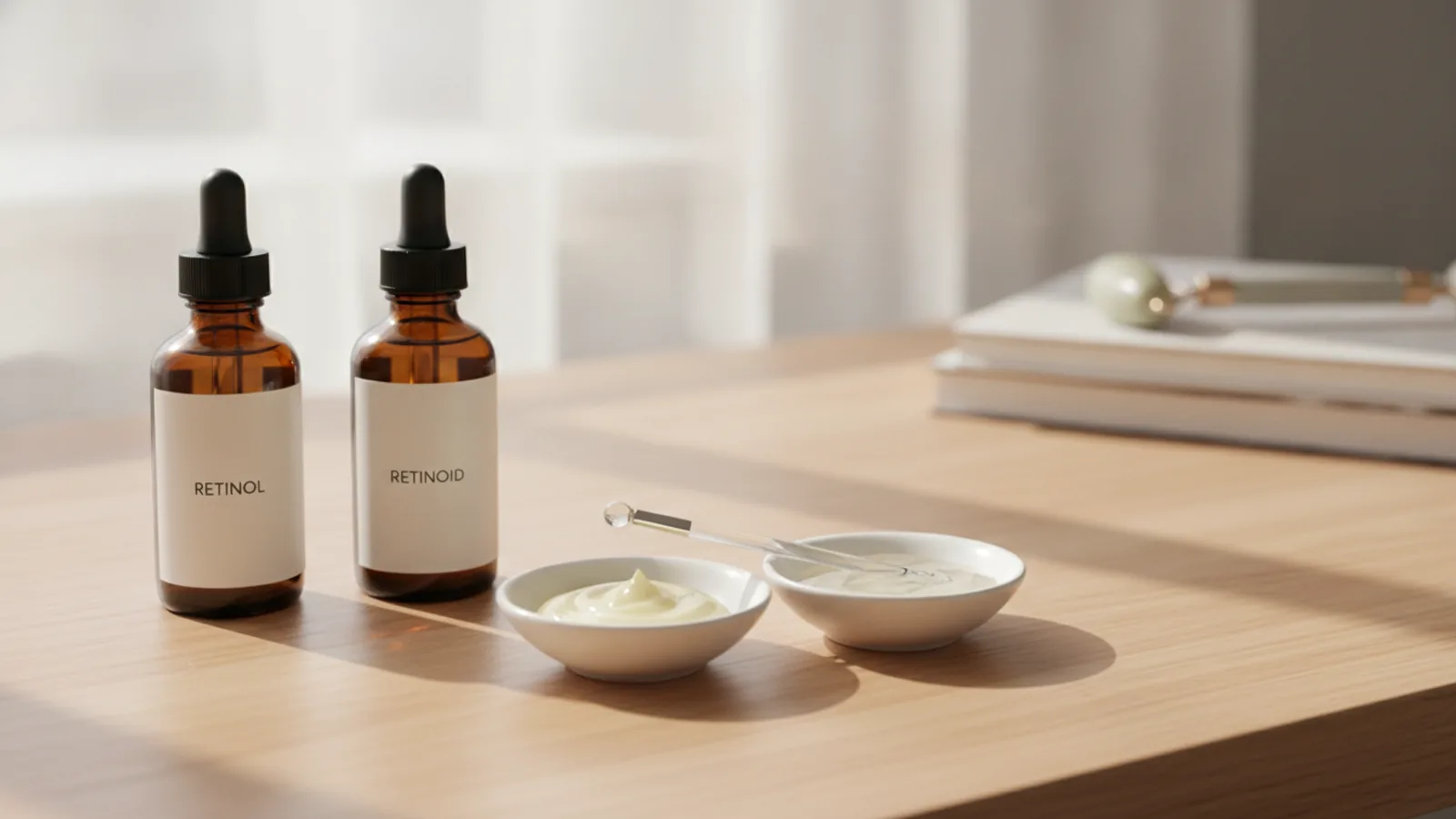
Step 4: Incorporate a Retinoid into Your Night Routine
Retinoids are a family of vitamin A derivatives that are superstars for skin health. They speed up skin cell turnover, which helps prevent dead cells from clogging pores in the first place. They also boost collagen production, which strengthens the walls of the pores, making them less likely to slacken and appear enlarged over time.
You can start with an over-the-counter retinol product with a low concentration (e.g., 0.25% or 0.3%). Apply a pea-sized amount to your entire face in the evening after cleansing. Because retinoids can be irritating at first, start by using it only twice a week and slowly build up to more frequent use as your skin adapts. Always follow with a moisturiser.
Step 5: Moisturise Every Day
It might seem counterintuitive to add moisture to skin when you're trying to control oil and clogged pores, but it's a vital step. When your skin becomes dehydrated, it can overcompensate by producing even more oil, which leads to more blockages. A good moisturiser keeps your skin's moisture barrier healthy and balanced.
Choose a lightweight, oil-free, and non-comedogenic formula. Ingredients like hyaluronic acid and ceramides are excellent for providing hydration without feeling heavy or greasy.
Step 6: Wear Sunscreen Religiously
This is the most important long-term step for maintaining healthy skin and minimizing pore appearance. Sun damage breaks down the collagen and elastin that support your skin's structure. As this support network weakens, the walls of your pores lose their firmness, causing them to sag and appear larger.
Apply a broad-spectrum sunscreen with an SPF of 30 or higher every morning as the final step in your skincare routine, even on cloudy days. Look for lightweight or gel formulas if you have oily skin.
Step 7: Check Your Makeup and Skincare Labels
Ensure all products that touch your face—from your foundation and concealer to your moisturiser—are labelled "non-comedogenic" or "oil-free." This indicates that the product has been formulated in a way that is less likely to clog your pores. Using heavy, pore-clogging makeup can undo all the hard work of your skincare routine.
Quick Reference
| Situation | Use this | Why |
|---|---|---|
| Pores are clogged and skin is oily | Salicylic Acid (BHA) Cleanser or Toner | It's oil-soluble, so it cleans deep inside the pore lining to dissolve blockages. |
| Skin texture is rough or uneven | Glycolic or Lactic Acid (AHA) Serum | It works on the skin's surface to remove dead cells and create a smoother appearance. |
| Need an immediate, temporary fix for an event | Clay Mask or a Pore-Blurring Primer | The mask absorbs oil and tightens skin, while the primer fills in pores for a smooth canvas. |
| Concerned about long-term pore size due to ageing | Daily SPF 30+ and a Retinoid | Sunscreen prevents collagen breakdown, and retinoids help rebuild it, supporting pore structure. |
Common Problems When You Try to Minimize Pores
Even with the best intentions, you might run into a few issues. Here’s how to troubleshoot the most common ones.
- Problem: Your skin becomes red, flaky, and irritated.
This is a classic sign of over-exfoliation. Using acids (AHAs/BHAs) and retinoids too frequently can damage your skin's protective barrier.
Solution: Immediately stop using all active ingredients for a week. Focus only on gentle cleansing, moisturising, and sunscreen. Once your skin has calmed down, reintroduce one active at a time, starting with just once or twice a week. - Problem: You're breaking out more than usual.
This could be "skin purging," where active ingredients like retinoids and acids bring underlying clogs to the surface faster. Purging typically occurs in your usual breakout spots and clears up within a few weeks.
Solution: Be patient and stick with the routine for at least a month. If the breakouts are happening in new areas or don't improve after 6-8 weeks, the product may be irritating your skin or clogging your pores. In that case, stop using it. - Problem: You aren't seeing any results after a few weeks.
Skincare is a marathon, not a sprint. It takes time for skin cells to turn over and for you to see the benefits of a new routine.
Solution: Give your routine at least 8-12 weeks of consistent use before deciding it's not working. Also, double-check that all your products, including makeup, are non-comedogenic. One pore-clogging product can sabotage your entire effort.
Advanced Tips for Minimizing Pores
Once you've mastered the basics, you can consider these extra steps to further enhance your results.
- Add Niacinamide to Your Routine: Niacinamide (a form of Vitamin B3) is a fantastic ingredient for pore appearance. It helps regulate oil production, strengthens the skin barrier, and has been shown to improve skin elasticity, which can help tighten and firm the pore lining. Look for a serum with 5-10% niacinamide.
- Consider Professional Treatments: If you're not getting the results you want at home, you can speak to a dermatologist or licensed aesthetician about professional treatments. Options like chemical peels, microneedling, and certain laser therapies can provide more dramatic and lasting improvements in skin texture and pore size.
- Don't Squeeze or Pick: Squeezing blackheads or spots can damage the delicate tissue around the pore. This can cause inflammation, scarring, and can permanently stretch the pore, making it look much larger in the long run. It's best to let your products do the work.
How To Minimize Pores FAQ
Here are answers to some of the most common questions about pores.
Can you actually shrink your pores permanently?
No, you cannot change your genetic pore size. Pores are openings for hair follicles and oil glands, and they are a necessary part of your skin. The goal is not to close or erase them, but to keep them clean and support the surrounding skin so they appear as small as possible.
Do pore strips really work?
Pore strips can be satisfying because they physically pull out the tops of blackheads (oxidized gunk in your pores). However, they don't clean the entire pore, and the effect is very temporary as the pore will fill back up. They can also be harsh, potentially irritating the skin and even breaking capillaries if used too aggressively.
Does steaming your face or using hot water "open" pores?
This is a common myth. Pores do not have muscles around their openings, so they cannot open and close. Steam and warm water can help loosen the hardened oil (sebum) inside the pores, making it easier to clean them out, but they don't actually change the physical size of the pore opening.
Final Checklist for Minimizing Pores
Use this checklist to ensure you're staying on track with your routine for clearer, smoother-looking skin.
- Cleanse your face every morning and evening with a gentle cleanser.
- Use a chemical exfoliant (BHA or AHA) 1-3 times per week.
- Apply a non-comedogenic moisturiser twice daily to keep skin hydrated.
- Wear broad-spectrum SPF 30+ sunscreen every single morning.
- Use a clay mask once a week for a deep clean.
- Introduce new active ingredients (like retinoids) slowly and one at a time.
- Always check that makeup and skincare products are labelled "non-comedogenic."
- Be consistent and patient; it takes at least a month to see real change.