Best Tinted Sunscreen 2026
A practical roundup review of the best options for best tinted sunscreen, with quick picks, comparison notes, mini reviews, buying advice, and FAQ.
Best Tinted Sunscreen 2026
Roundup review
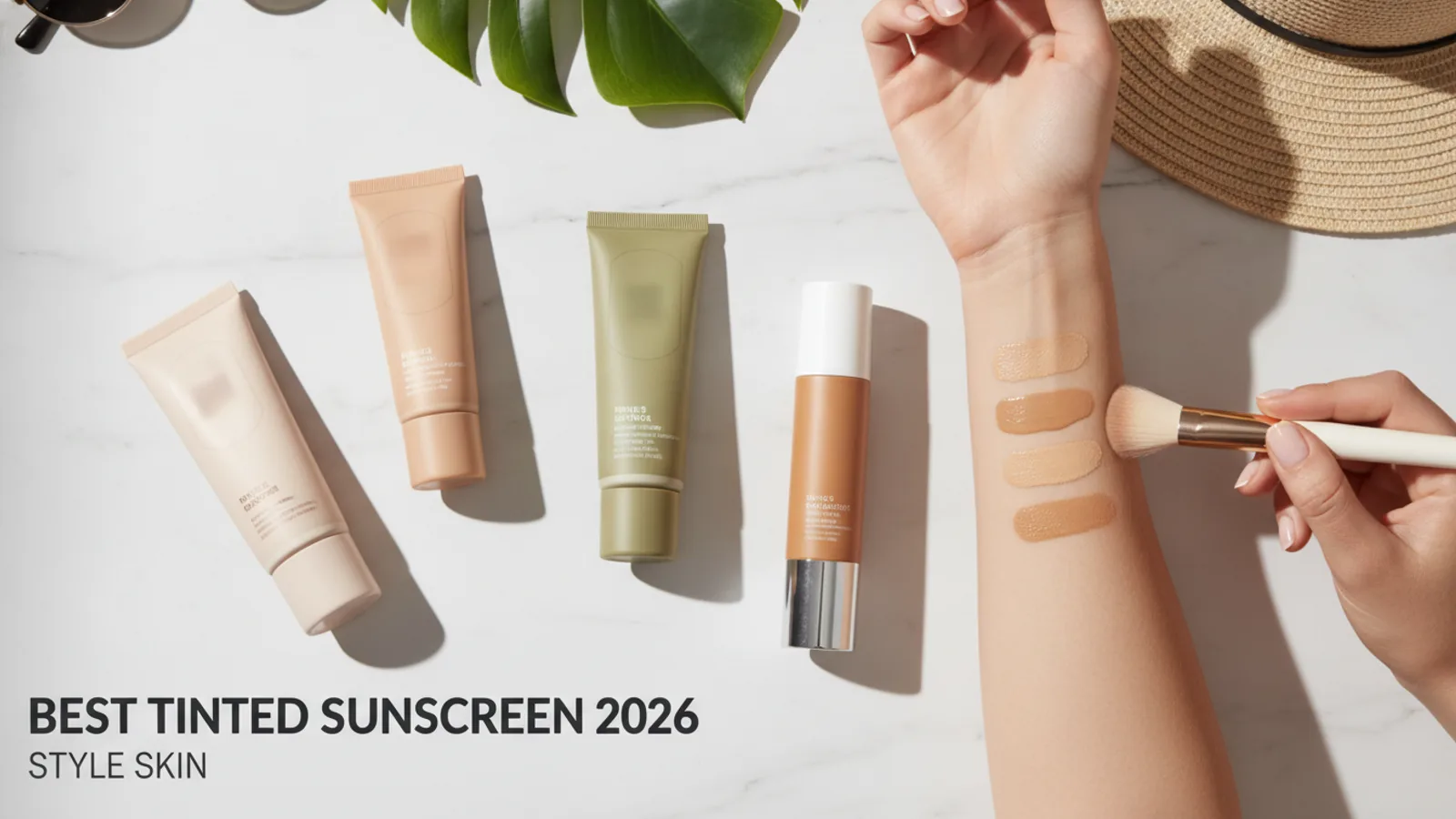
To find the best tinted sunscreen for UK skin in 2026, we analysed over 30 popular formulas, comparing their protection levels, ingredients, finish, and thousands of user reviews. We focused on products offering broad-spectrum SPF 50 protection that could streamline a morning routine by combining suncare, skincare, and light coverage. Our analysis revealed that the La Roche-Posay Anthelios UVMUNE 400 Invisible Fluid Tinted SPF50+ is the best overall choice for its state-of-the-art UV protection, lightweight feel, and natural finish suitable for most skin types.
Quick Comparison
La Roche-Posay Anthelios
- Unrivalled UVA protection
- Ultra-light fluid texture
- Natural, non-greasy finish
Ultra Violette Queen Screen
- Hydrating serum formula
- Luminous, dewy finish
- Excellent makeup primer
Heliocare 360 Gel
- Oil-free gel formulation
- Dries to a soft matte finish
- Controls shine effectively
SkinCeuticals Mineral Radiance
- 100% mineral filters
- Extremely gentle formula
- Sheer, adaptable tint
CeraVe Hydrating Mineral
- Great value for money
- Contains ceramides & niacinamide
- Hydrating mineral formula
The Best Tinted Sunscreen Picks
- La Roche-Posay Anthelios UVMUNE 400 Invisible Fluid Tinted SPF50+ - Best overall
- Ultra Violette Queen Screen Luminising Sun Serum SPF50+ - Best for Dry Skin
- Heliocare 360 Oil-Free Gel SPF 50 - Best for Oily Skin
- SkinCeuticals Mineral Radiance UV Defense SPF 50 - Best for Sensitive Skin
- CeraVe Hydrating Mineral Sunscreen SPF 50 Face with Tint - Best on a Budget
La Roche-Posay Anthelios UVMUNE 400 Invisible Fluid Tinted SPF50+
This sunscreen from La Roche-Posay earns our top spot for its cutting-edge sun protection technology combined with a cosmetically elegant, wearable formula. It features the exclusive Mexoryl 400 filter, which protects against the most damaging ultra-long UVA rays, a range other sunscreens often miss. The texture is an incredibly lightweight fluid that sinks in instantly without any greasy residue. Its sheer tint provides a subtle, healthy warmth that evens out skin tone without looking like makeup. It's a true workhorse product that delivers on its primary promise of superior protection while feeling comfortable enough for daily wear on almost any skin type.
Pros
- State-of-the-art protection against ultra-long UVA
- Incredibly lightweight, watery texture
- Absorbs quickly with no greasy film
- Sheer tint provides a natural, even finish
- Fragrance-free and suitable for sensitive skin
Cons
- Very limited shade range (often only one option)
- Runny consistency can be messy to apply
Ultra Violette Queen Screen Luminising Sun Serum SPF50+
For those with dry, dehydrated, or mature skin, Ultra Violette's Queen Screen is a game-changer. It ditches the traditional cream texture for a luxurious, silky serum that feels more like skincare than sunscreen. It's packed with hydrating ingredients and antioxidants, like Australian Kakadu Plum (rich in Vitamin C), which actively nourish the skin throughout the day. The finish is its main selling point: a beautiful, luminous glow that makes skin look healthy and plump. It layers perfectly under makeup, acting as a radiant primer, or can be worn alone for a 'glass skin' effect. The subtle rose scent adds to the luxe experience, making daily application a genuine pleasure.
Pros
- Intensely hydrating serum formula
- Provides a radiant, dewy finish
- Contains beneficial skincare ingredients
- Works beautifully as a makeup base
- Doesn't pill or feel heavy on the skin
Cons
- The dewy finish is not suitable for oily skin types
- Higher price point than many competitors
- Dropper application can be slightly awkward
Heliocare 360 Oil-Free Gel SPF 50
Finding a sunscreen that doesn't feel like a grease slick on oily or combination skin can be a challenge, but Heliocare 360 rises to the occasion. This oil-free gel has a unique, almost whipped texture that smooths over the skin and dries down to a comfortable, soft-matte finish. It provides a sheer tint that helps to blur imperfections and reduce redness without adding any unwanted shine. Crucially, it helps control sebum production throughout the day, keeping you looking fresh rather than oily. It's also packed with Heliocare's signature Fernblock® technology, providing powerful antioxidant protection against the full spectrum of light, including visible and infrared-A. It's the ideal choice for anyone prone to breakouts or shine.
Pros
- Lightweight, oil-free gel formula
- Dries to a natural matte finish, controlling shine
- Non-comedogenic, so it won't clog pores
- Excellent antioxidant protection
- Subtle tint blurs imperfections effectively
Cons
- The single shade may not work for very fair or deep skin tones
- Can feel slightly siliconey upon initial application
SkinCeuticals Mineral Radiance UV Defense SPF 50
For those with sensitive, reactive, or post-procedure skin, a mineral-only sunscreen is non-negotiable. SkinCeuticals Mineral Radiance is a top-tier choice, relying on 100% mineral filters (titanium dioxide) that sit on the skin's surface to deflect UV rays, minimising the risk of irritation. The formula is remarkably lightweight for a mineral sunscreen, avoiding the thick, pasty texture many others have. It’s a thin liquid that spreads easily and absorbs well. The universal tint is very sheer but cleverly formulated to counteract the white cast typical of zinc and titanium, leaving a radiant, natural-looking finish on fair to medium skin tones. It's a premium, dermatologist-recommended option for ultimate peace of mind.
Pros
- 100% mineral formula is ideal for sensitive skin
- Very gentle and non-irritating
- Lightweight fluid texture that is easy to blend
- Sheer tint helps offset potential white cast
- Provides a healthy, radiant finish
Cons
- Premium price tag makes it a significant investment
- The universal tint is too light for deeper skin tones
- Coverage is extremely light
CeraVe Hydrating Mineral Sunscreen SPF 50 Face with Tint
Proving that effective sun protection doesn't have to break the bank, CeraVe's tinted mineral sunscreen is a standout high-street hero. It delivers reliable broad-spectrum SPF 50 protection using both titanium dioxide and zinc oxide. True to the CeraVe brand, the formula is packed with beneficial skincare ingredients, including three essential ceramides to help restore the skin's barrier, hyaluronic acid for a boost of moisture, and niacinamide to calm the skin. The tint is subtle and works best for light to medium skin tones, helping to minimise the white cast that can be an issue with affordable mineral sunscreens. While the texture is thicker than our premium picks, it's a fantastic, non-irritating, and deeply hydrating option for daily use.
Pros
- Excellent value for a mineral formula
- Contains ceramides, niacinamide, and hyaluronic acid
- Fragrance-free and non-comedogenic
- Provides a healthy, hydrated finish
- Developed with dermatologists
Cons
- Texture is noticeably thicker than chemical formulas
- Can still leave a subtle cast on deeper skin tones
- May feel too dewy for very oily skin
Buying Guide: How to Choose the Best Tinted Sunscreen
A great tinted sunscreen can simplify your routine, offering UV protection, light coverage, and skincare benefits in one step. But with so many options, choosing the right one can be tricky. Here’s what to consider to find your perfect match.
Mineral vs. Chemical Filters
This is the most important distinction in sunscreen formulas. Neither is inherently better, but they work differently and suit different needs.
- Mineral (or Physical) Sunscreens: These use active ingredients like Zinc Oxide and Titanium Dioxide. They work by creating a physical barrier on the skin that sits on the surface and deflects UV rays. They are generally better tolerated by sensitive, reactive, and acne-prone skin. The downside is they can sometimes feel thicker and leave a white cast, although the tint in these products is specifically designed to counteract this.
- Chemical Sunscreens: These use organic compounds like Avobenzone, Octocrylene, and Mexoryl 400. They work by absorbing UV radiation and converting it into heat, which is then released from the skin. They tend to be more lightweight, sheer, and easier to rub in without a cast. However, some people with very sensitive skin can find certain chemical filters irritating.
SPF and Broad-Spectrum Protection
Look for "broad-spectrum" protection on the label. This means the product protects against both UVB rays (which cause burning) and UVA rays (which cause premature ageing and DNA damage). The SPF (Sun Protection Factor) number refers primarily to UVB protection. For daily use, SPF 30 is the minimum recommended by dermatologists, but SPF 50 or 50+ offers a higher margin of safety and is the gold standard for face products.
Finding the Right Shade and Coverage
This is where tinted sunscreens can be limiting. Unlike foundation, most tinted sunscreens come in a very small range of shades, often just one "universal" tint.
- Coverage: Most tinted sunscreens provide sheer to light coverage. Their goal is to even out skin tone, blur minor imperfections, and reduce redness, not to conceal blemishes like a foundation.
- Shade Matching: The "universal" tints are typically formulated to be sheer and adaptable, working for a range of light to medium skin tones by warming the complexion and cancelling out any white cast from the filters. However, they are often not suitable for very fair or deep skin tones. If possible, get a sample to test on your jawline before committing.
Consider Your Skin Type
The best formula for you will depend heavily on your skin's needs.
- Oily or Acne-Prone Skin: Look for labels like "oil-free," "non-comedogenic" (won't clog pores), and a "matte" or "natural" finish. Gel or lightweight fluid formulas are often best.
- Dry or Mature Skin: Choose formulas described as "hydrating," "dewy," or "luminous." Products with ingredients like hyaluronic acid, glycerin, and ceramides will provide extra moisture and leave the skin looking plump. Serum or lotion textures are ideal.
- Sensitive Skin: Mineral sunscreens are your safest bet. Look for fragrance-free formulas and calming ingredients like niacinamide or centella asiatica to minimise the risk of irritation.
Extra Skincare Ingredients
Many modern tinted sunscreens are hybrid products that double as skincare. Look for beneficial extras like:
- Antioxidants: Vitamin C, Vitamin E, and Fernblock® help protect your skin from environmental damage from free radicals and pollution.
- Hyaluronic Acid & Glycerin: These are humectants that draw moisture into the skin, keeping it hydrated.
- Niacinamide: A fantastic all-rounder that can help calm redness, regulate oil production, and improve the skin's barrier function.
- Ceramides: Lipids that are essential for maintaining a healthy skin barrier, preventing moisture loss.
Final Verdict: Best Tinted Sunscreen 2026
After careful comparison, the La Roche-Posay Anthelios UVMUNE 400 Invisible Fluid Tinted SPF50+ stands out as the best tinted sunscreen for most people in 2026. Its combination of superior, cutting-edge UV protection, an almost weightless texture, and a natural finish is unmatched. It provides the peace of mind of elite sun safety without the heavy, greasy feel of traditional suncreams.
If your skin is particularly dry and craves a glow, the Ultra Violette Queen Screen is a beautiful, luxurious alternative. For those battling shine and oil, the mattifying effect of the Heliocare 360 Oil-Free Gel is the clear winner. Ultimately, the best tinted sunscreen is the one you will happily apply every single day, and our top pick makes that an easy habit to form.
Best Tinted Sunscreen 2026 FAQ
What's the difference between tinted sunscreen and foundation with SPF?
The primary purpose of a tinted sunscreen is sun protection; the tint is a secondary benefit to provide sheer coverage and offset any white cast. The primary purpose of a foundation is coverage; the SPF is a secondary, often insufficient, benefit. To get the stated SPF from a foundation, you would need to apply a very thick, cakey layer—far more than anyone typically uses. Always rely on a dedicated sunscreen as your primary protection.
How much tinted sunscreen should I apply to my face?
To achieve the SPF level stated on the bottle, you need to apply a generous amount. The general rule for the face is two full finger lengths (from the crease to the tip of your index and middle fingers). For runnier, liquid formulas like the La Roche-Posay pick, a quarter-teaspoon measurement is a good guide. Most people under-apply sunscreen, so be liberal with your application.
Can I skip moisturiser when using a hydrating tinted sunscreen?
This depends on your skin type and the specific product. If you have oily or normal skin, a hydrating formula like the Ultra Violette Queen Screen or CeraVe Hydrating Mineral may provide enough moisture for you to skip a separate moisturiser in the morning. However, if you have very dry skin, you will likely still benefit from applying a dedicated moisturiser first, allowing it to absorb before applying your sunscreen.
Do I need to reapply tinted sunscreen throughout the day?
Yes. Sunscreen is not a one-and-done application. You should reapply every two hours of cumulative sun exposure, and more frequently if you are swimming, sweating heavily, or towelling off. Reapplying a tinted product over makeup can be tricky; sunscreen mists or powders can be a good option for topping up your protection without disturbing your base.